Fungal Nail Infections
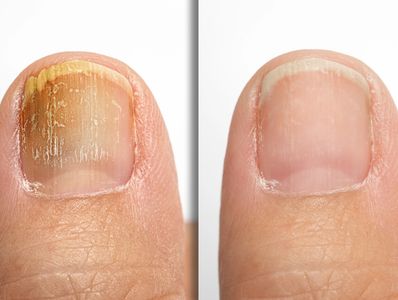
Fungal nail infections, also known as onychomycosis, are common conditions that can lead to discolored, thickened, brittle, or painful nails. At our podiatry foot clinic in Essex, we provide precise diagnosis and effective nail treatment options to help restore healthy nails.
Diagnosis: Dermatophyte Test (£50.00)
Accurate diagnosis is crucial. Many nail conditions can mimic the symptoms of fungal infections, which is why we utilize the dermatophyte test to confirm the presence of fungal organisms:
- Sample collection: A small nail clipping or scraping is taken in a sterile environment.
- Laboratory analysis: The sample is tested to identify the specific fungus, whether it be dermatophyte, yeast, or mold.
- Targeted treatment: The results guide us in determining the most effective therapy for your infection.
Charge: The dermatophyte test costs £50.00, ensuring an accurate diagnosis and the appropriate treatment plan.
Treatment Options for Fungal Nails
Our experienced podiatrists offer individualized nail treatment based on the severity of the condition, nail involvement, and overall patient health:
- Topical Antifungal Therapy: Medicated nail lacquers or creams are applied directly to the affected nails, which is best for mild infections or when systemic therapy isn’t suitable. This treatment is often combined with professional nail trimming to enhance effectiveness.
- Oral Antifungal Medications via GP: For moderate to severe infections, podiatrists can assist you in starting the process with your GP for prescription medication that is highly effective for persistent onychomycosis. This treatment is monitored for safety, especially in patients with liver conditions or those on other medications.
- Nail Debridement & Trimming: This involves the removal of thickened or damaged nail tissue to relieve pressure and pain, helping topical treatments penetrate better and improve nail appearance. This procedure is performed safely using podiatry-grade instruments.
Prevention & Maintenance Advice:
- Maintain proper nail hygiene and ensure feet are dried thoroughly after washing.
- Utilize antifungal sprays or powders in shoes and socks.
- Schedule regular follow-ups to monitor treatment progress.